Ponytail Headache: Why It Happens and How to Fix It
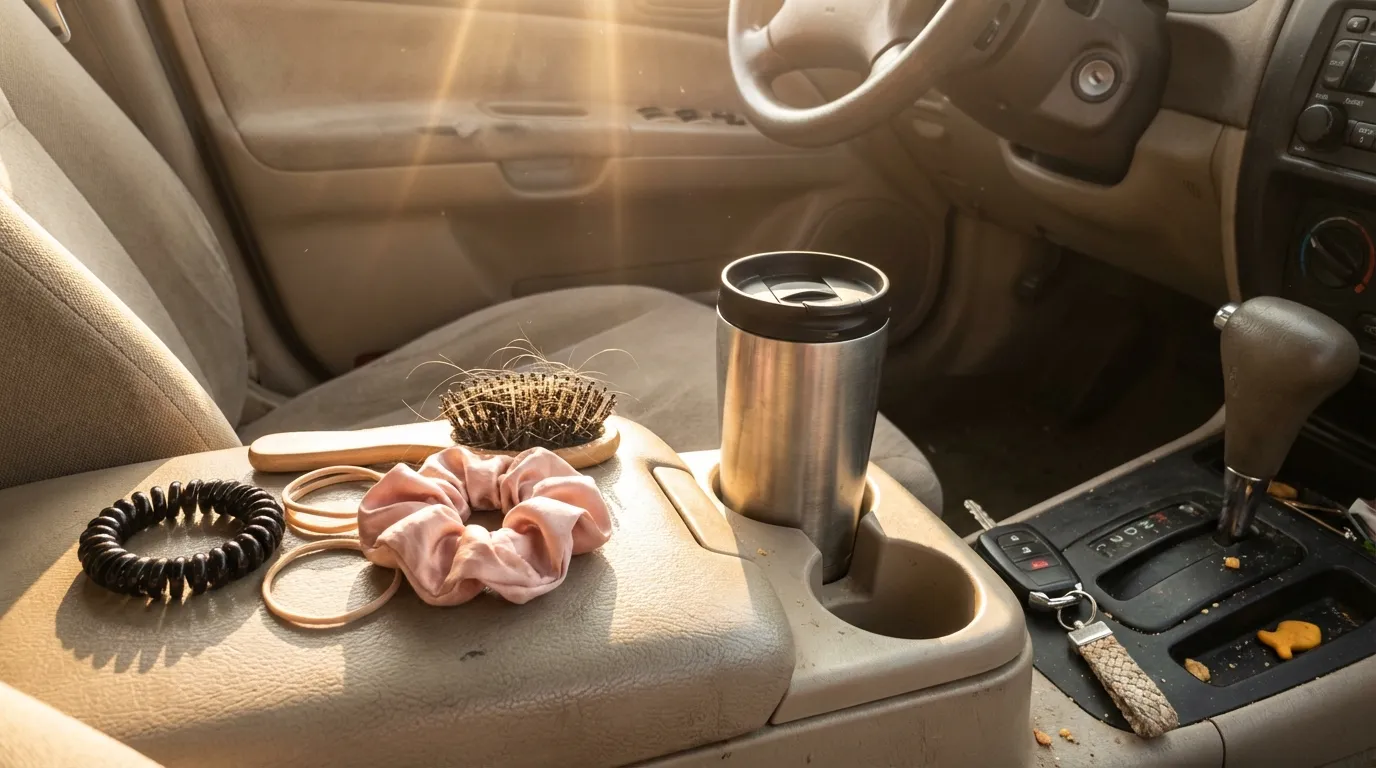
A 2020 study published in Headache Medicine found that 40 percent of women who wear ponytails get headaches from them, and among women with a history of migraine, the rate climbs as high as 54 percent. That number stopped me when I read it, because I had been blaming my 3 p.m. tension headaches on screens, dehydration, and my children, when one of the actual culprits was sitting on top of my head.
If you put your hair up the second you wake up and take it down only when you shower, this article is for you.
What a Ponytail Headache Actually Is
The medical name is external compression headache, sometimes called external traction headache. It is recognized by the International Classification of Headache Disorders as its own diagnosis. The mechanism is mechanical: hair has no nerve endings, but the scalp is densely packed with them. When you pull hair tight enough to lift the skin and tug on the follicles, those nerves fire continuously. The brain reads it as pain.
The original case series, published in 2004 by neurologists at the Headache Clinic in Cleveland, tested this directly. They put hair up on volunteers and timed how fast a headache appeared. Loosening the ponytail relieved the pain immediately for 4 subjects, within thirty minutes for 32, and within an hour for the rest. The headache had a clear cause and a clear cure.
A 2025 narrative review in Brain and Behavior on external compression and traction headaches noted that the mean duration is about 76 minutes after the trigger is removed, but episodes can last anywhere from fifteen seconds to thirteen hours. Most reported pain is mild to moderate. Six percent of sufferers report severe pain. If you have ever taken your hair down at 4 p.m. and still felt your scalp throb during dinner prep, you are not imagining it.
Why Moms Are the Target Demographic for Tight Ponytail Pain
Three things stack the deck against us. First, the default. A ponytail is the fastest hairstyle in the world, and most of us put it up before coffee and forget about it for twelve hours. Second, the tightening drift. As you move through the day, every time you tug the elastic to fix the bump on top, you are pulling tighter than you started. By the school pickup, that ponytail is meaningfully tighter than it was at breakfast. Third, the migraine connection. The same 2025 review found that external compression headaches are markedly more common in people who already get migraines, and pregnancy and postpartum are known migraine triggers for many women.
There is also a longer-term concern that does not get talked about enough. Tight, repetitive ponytails can cause traction alopecia, a form of hair loss from sustained pulling on the follicle. The American Academy of Dermatology lists tight ponytails, buns, and braids as primary causes, and notes that if caught early it is reversible, but chronic traction can lead to permanent hair loss along the hairline. The first sign is usually thinning at the temples or a receding edge where you part. If you wear the same tight pony every day for years, this is worth knowing.
The Best Hair Ties for Headaches: What Actually Helps
I tested four categories on the same week, same hair, same daily schedule. Here is what mattered.
| Type | Approx. price | Headache risk | Holds a workout |
|---|---|---|---|
| Standard elastic with metal | $4 / 100ct | High | Yes |
| Silk scrunchie | $8 to $14 each | Low | No |
| Spiral coil (Invisibobble) | $6 / 3pk at Target | Low | Yes |
| Fabric elastic (Goody Ouchless) | $5 / 30ct | Medium | Yes |
Silk scrunchies are the gold standard for daily wear if you do not need a vault-tight hold. Stick to actual mulberry silk, not polyester labeled “satin.” Brands like Slip and Blissy run $14 to $20 each, but Kitsch and Madison Braids do real silk options for under $10. The pressure is distributed across a wide surface area, so no single point of your scalp gets a sustained yank.
Spiral hair ties (the Invisibobble being the most recognizable) are my pick for workouts and any day I need to bend over a hundred times. The brand claims 31 percent less hair damage and 100 percent less pain compared to standard elastics, and while I take any company-funded number with a grain of salt, the relief is real. They distribute pressure around a coiled tube instead of one tight loop, and they hold a high pony through a Pilates class.
Standard elastics with the little metal crimp are the worst offender. They snag, they pull, and they create the single tightest pressure point of any hair tie on the market. If you have a drawer of these from a 2018 Target run, throw them out.
How to Stop Triggering Your Own Headache
The fixes are unsexy and they work.
- Lower the ponytail. A high pony pulls more skin than a low one. Drop it to the nape of your neck for the parts of the day you do not need it on top of your head.
- Take it down on a schedule. The 2020 study found that loosening the hair, even briefly, prevented the headache from setting in. I take mine down at lunch and again at carpool. Two minutes of brushing, then back up looser.
- Switch sides. If you always part on the left and always pull to the right, you are stressing the same follicles every day. Vary the part and where the bulk of the ponytail sits.
- Try a magnesium supplement if you get migraines too. The American Migraine Foundation lists magnesium as one of the evidence-supported preventive supplements for migraine, with 400 to 600 mg daily as the typical study dose. Talk to your doctor first, especially if you are pregnant or nursing.
- Consider a clip instead of a tie. A wide claw clip lifts hair without compressing the scalp at all. It is the single biggest change I made and the reason my afternoon headaches went from constant to rare.
What I Would Do First
If you read this far and want one action: buy a pack of silk scrunchies for daily wear, an Invisibobble three-pack for workouts, and one large claw clip. Total cost: about $25. Then take your hair down at lunch tomorrow and notice how your scalp feels. If you get a wave of relief that sneaks up on you, you have your answer about whether your ponytail has been quietly running your afternoons.
For more on the practical side of mom hair, I have written about how often you should actually wash your hair by type and the seasonal hair care rotation that saves your scalp. Both pair well with the changes here.