What to Tell Your Hairstylist to Get the Cut You Want
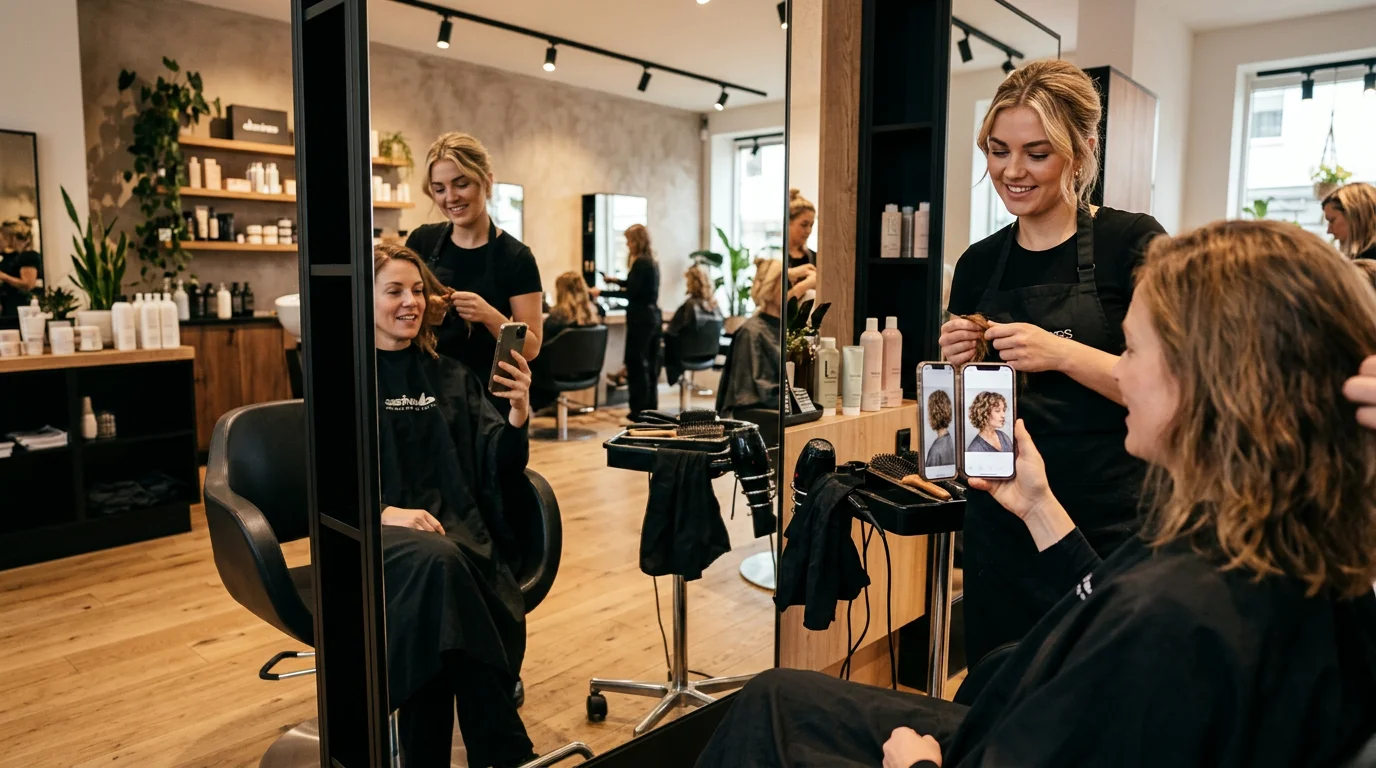
You’ve been thinking about this appointment all week. You have a vague idea of what you want. Maybe a Pinterest board with 47 pins that kind of, sort of look the same. You sit down in the chair, and the stylist asks, “So what are we doing today?” And suddenly your mind goes blank.
This happens more than you’d think. The gap between what a client pictures and what a stylist hears is where most salon disappointments begin. The fix isn’t learning hair jargon. It’s knowing what information actually matters.
Tell Your Stylist What You Don’t Want First
Most people walk into the salon focused on what they want. That’s natural. But stylists say the fastest way to get on the same page is to talk about what you want to avoid.
“I don’t want anything that looks like a mom bob” tells a stylist more than “I want something fun and modern.” Saying “I hated how my last cut flipped out at the ends” gives them a concrete problem to solve. Specific dislikes narrow the field quickly.
Think about your worst haircut. What went wrong? Too many layers? Too much taken off the length? Bangs that needed daily styling you never did? Share those details. Your stylist will mentally cross those options off the list before picking up the scissors.
Bring Reference Photos (The Right Way)
A photo is worth a thousand words in the salon chair. But the way you use reference images matters as much as the images themselves.
Bring two to four photos. One isn’t enough because a stylist can’t tell which element you’re drawn to. Is it the color? The length? The way the layers frame the face? With multiple photos, your stylist can spot the common thread.
Point to each photo and say what specifically you like about it. “I love the length here” and “I like how this one has volume at the crown” gives your stylist a clear composite picture of your goal.
A few things to keep in mind about reference photos:
- Choose real hair, not AI-generated images. AI photos show impossibly smooth, symmetrical hair with no flyaways. That level of perfection doesn’t exist outside a computer. Real photos from stylists’ portfolios or celebrity shots work best.
- Match your hair texture when possible. A blowout on fine, straight hair will look very different from the same cut on thick, wavy hair. Photos of hair similar to yours give the most realistic preview.
- Show what you don’t want, too. Pulling up a photo and saying “this is too short for me” or “I don’t want this much layering” is just as useful as showing your dream look.
Be Honest About Your Daily Hair Routine
This is the thing most clients forget to mention, and it’s the one that causes the most disappointment weeks after the appointment.
Your stylist needs to know how you really style your hair on a regular Tuesday morning. Not how you style it when you’re going out. Not how you would style it in a world where you wake up 30 minutes earlier. The real version.
If you air-dry your hair 90% of the time, say that. If your idea of styling is running your fingers through it in the car, say that too. A cut that requires a round brush blowout to look right will only frustrate someone who never picks up a hair dryer.
Be specific: Do you own a flat iron? Do you use it? Will you apply product in the morning? Would you spend five minutes styling, or is even that too much?
A good stylist will design a cut around your actual routine. But they can only do that if you’re straight with them about what that routine looks like.
Tell Them Your Full Hair History
Stylists ask about your hair history for the same reason a doctor asks about your medical history. What happened before affects what can happen now.
Here’s what you should mention without being asked:
- Previous color treatments. Box dye, highlights, balayage, henna, color-depositing conditioners. All of it. Different chemicals interact with each other, and skipping this detail can lead to unexpected color results or damage.
- Relaxers, perms, or keratin treatments. Even if it was six months ago, these change your hair’s structure and affect how it responds to new chemical services.
- Heat damage or breakage. If you’ve been flat-ironing daily for years or notice your ends snapping off, mention it. Your stylist will adjust their approach and recommend a plan to rebuild.
- Products you use regularly. Certain ingredients build up over time and affect how color takes or how a treatment penetrates the hair shaft.
Some clients hold back this information out of embarrassment. Don’t. Stylists have seen everything. They’d rather know the full picture upfront than discover a surprise mid-process.
When to Trust Your Hairstylist’s Recommendation
You came in wanting platinum blonde, but your stylist is suggesting a warm honey instead. Before you push back, hear them out.
Licensed stylists spend thousands of hours learning how color, cut, and texture interact. They’re looking at your hair’s current condition, your skin tone, your natural growth patterns, and the maintenance commitment you just described. When they suggest something different, it’s usually because they’re protecting you from a result you wouldn’t be happy with.
That doesn’t mean you should agree to something you don’t want. But ask questions instead of digging in. “What would go wrong if we went lighter?” or “How would that look different from what I showed you?” opens a conversation. You might learn that your hair can’t handle the bleach right now, or that the style you want would need weekly salon visits.
The best salon visits are a collaboration. You bring the vision and the honesty. Your stylist brings the skill and the professional judgment. When both sides communicate openly, you walk out with a result that works in the real world, not just in the salon mirror.
The Short Version
Before your next appointment, have answers ready for these five questions:
- What did you dislike about your last haircut or color?
- Do you have two to four reference photos showing what you’re drawn to?
- How do you honestly style your hair on a normal day?
- What chemical treatments or color have you had in the past year?
- Are you open to your stylist’s professional recommendations?
Walk in with those five things covered, and you’ll get a result that’s closer to what you actually wanted. No hair vocabulary required.
Still looking for the right salon? Our guide on how to find a good hairstylist covers what to look for. And do not forget to check our salon tipping guide so you know what to tip for every service.